Carhartt’s strategic product placement: a case study in authentic brand positioning
Product placement in Hollywood is a multibillion-dollar industry, but not every brand uses it equally effectively. While some companies seek maximum visibility in blockbusters, Carhartt takes a more strategic, psychologically informed approach. Rather than conspicuous, forced brand mentions, it builds deeper connections with viewers through stories that resonate with its core values: authenticity, work ethic and perseverance.

Product placement in Hollywood is a multibillion-dollar industry, but not every brand uses it equally effectively. While some companies seek maximum visibility in blockbusters, Carhartt takes a more strategic, psychologically informed approach. Rather than conspicuous, forced brand mentions, Carhartt focuses on a deeper connection with viewers by appearing in stories that resonate with its core values: authenticity, work ethic and perseverance.
The psychology behind Carhartt's selective product placement
The effectiveness of product placement depends largely on how viewers process the brand. According to Zajonc's Mere Exposure Theory, repeated exposure to a brand in a natural context improves perceptions of it. But if a brand is shown too explicitly or pushed too far into the foreground, the opposite can happen: Reactance Theory suggests consumers resist what they perceive as manipulative advertising.
Carhartt understands how to avoid these pitfalls. The brand finds a place in films and series whose characters show resilience and imperfection, making its presence feel like a natural part of the setting rather than marketing.
Carhartt in films and series: an overview
Screen appearances in which Carhartt stands out
Good Will Hunting (1997) – Matt Damon's character, Will Hunting, wears an iconic Carhartt jacket. It is a perfect choice: Will is a self-taught genius who remains true to his working-class background.
8 Mile (2002) – Eminem's B-Rabbit wears Carhartt as a symbol of Detroit's working class. It underlines his struggle to break into hip-hop.
The Wrestler (2008) – Mickey Rourke's worn-out wrestler Randy “The Ram” wears Carhartt, fitting his life of physical and emotional scars.
Winter's Bone (2010) – Jennifer Lawrence's Ree Dolly wears Carhartt while trying to save her family from ruin in a harsh, unforgiving world.
Hell or High Water (2016) – Chris Pine and Ben Foster play bank robbers in Texas, and their Carhartt clothing fits their rugged, self-reliant lifestyle perfectly.
Manchester by the Sea (2016) – Casey Affleck's character, Lee Chandler, wears Carhartt while struggling with guilt, grief and responsibility. The clothing emphasises his raw, emotionally exhausted character, adding authenticity to the role.
Logan (2017) – Hugh Jackman's ageing Wolverine wears a Carhartt jacket as he struggles with his moral compass and declining powers.
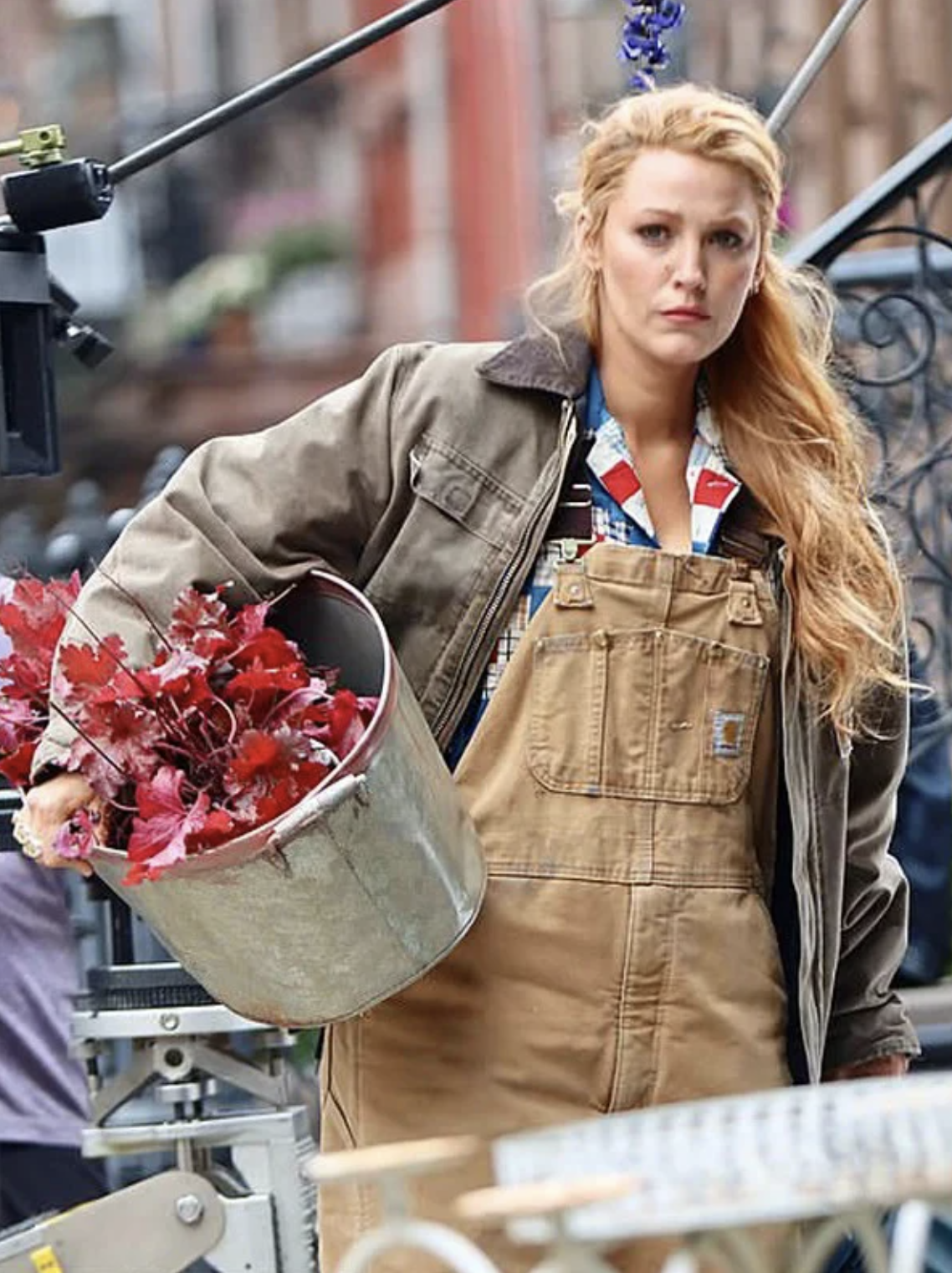
It Ends With Us (2024) – Blake Lively's character wears Carhartt in the adaptation of Colleen Hoover's bestseller. The clothing reflects the story's harsh realities and emotional intensity.
The Last of Us (2023) – Several characters wear Carhartt, fitting a post-apocalyptic world where durability and functionality are essential to survival.
Series in which Carhartt plays a role
Breaking Bad (2008–2013) – Bryan Cranston's Walter White regularly wears Carhartt while producing meth and facing extreme moral dilemmas.
The Walking Dead (2010–2022) – Several characters wear Carhartt clothing, underlining their survival mindset in a post-apocalyptic world.
Yellowstone (2018–present in the original article) – Ranch workers and cowboys in this popular Western drama wear Carhartt as a symbol of their hard-working ethos.
Mare of Easttown (2021) – Kate Winslet's detective Mare Sheehan wears Carhartt while investigating crimes in a small working-class community.
What Flemish brands can learn from Carhartt
The Flemish film and television industry is relatively small, but brands can still achieve impactful product placement. A common mistake among Belgian brands is pushing their branding too conspicuously. For example, certain beer brands position themselves too explicitly in crime series, undermining authenticity.
How can Flemish brands make better use of product placement?
Choose stories that fit the brand's values.
Keep placement subtle and natural. Brands should be woven into the story rather than merely shown. It should feel as though the characters would use those products in real life.
Aim for lasting impact rather than quick exposure. Carhartt steadily builds strong brand perceptions over the years. Flemish brands can take the same approach by investing in projects with deeper cultural and emotional impact.
Conclusion
Carhartt's product placement illustrates how a brand can integrate credibly into entertainment. Choosing authentic stories and characters keeps the brand consistent with its image and values. Flemish brands can learn from this by focusing less on sheer visibility and more on subtle, meaningful associations that present their brand in the right light. Ultimately, the most powerful product placement is the kind you do not immediately notice but that leaves a lasting impression.
English version of the BrandQs archive. Historical references are preserved.