Why one strong distinctive asset outperforms ten weaker ones
In today’s saturated market, with fragmented consumer attention and intense competition, distinctive assets matter more than ever. Research shows that brands thrive by being easily recognisable and memorable at decisive moments rather than through differentiation alone. Yet many marketers see a portfolio of multiple assets as the ultimate strategy. Although five usable distinctive assets would be ideal, a benchmark few brands reach, focusing on one exceptionally strong feature often delivers better results. Here is why this focused approach can transform your brand.
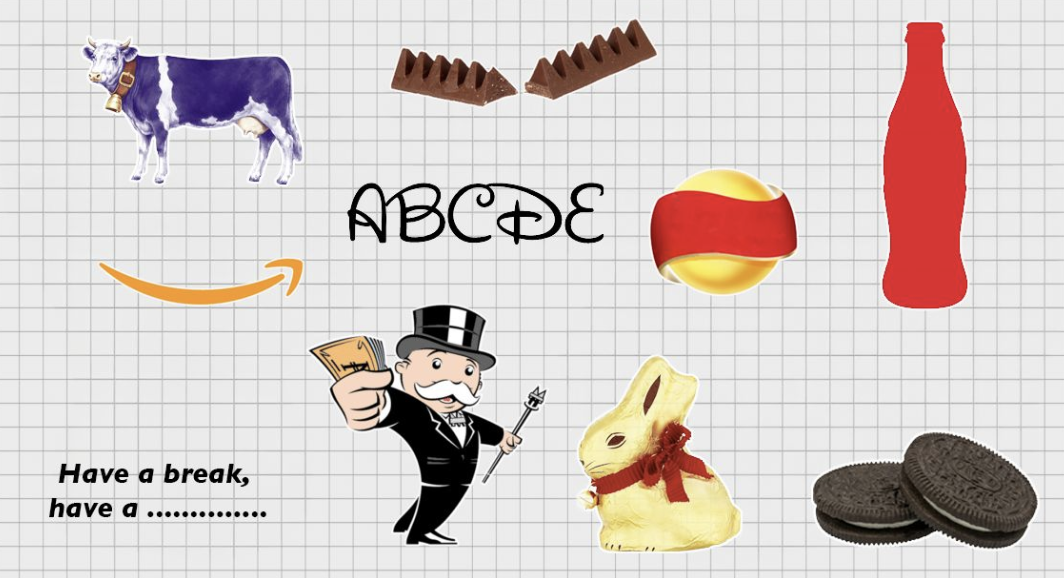
In today's saturated market, where consumer attention is fragmented and competition intense, distinctive assets matter more than ever. Research shows that brands thrive by being easily recognisable and memorable at decisive moments rather than through differentiation alone. Yet many marketers mistakenly see a portfolio of multiple distinctive assets as the ultimate strategy. Although five usable distinctive assets would be ideal, a benchmark few brands ever reach, focusing on one exceptionally strong feature often delivers much better results. Here is why this focused approach can transform your brand:
1. Cognitive simplicity creates mental availability
Consumers encounter thousands of brand messages every day. Research shows they remember only a handful of brand cues that serve as shortcuts in purchase decisions. One strong, distinctive brand element, such as a powerful logo, signature colour or memorable slogan, cuts through this noise. It simplifies cognitive processing and helps your brand come to mind first when it matters.
Coca-Cola's red or McDonald's golden arches, for example, do more than represent the brand: they claim a place in the consumer's mental vocabulary. This quality is what Ehrenberg-Bass defines as “mental availability”, a crucial factor in market-share growth.
2. Focus builds stronger memory networks
Research emphasises that memory networks, the associations connecting consumers to a brand, are strengthened through repetition and consistency. Trying to establish several brand cues at once risks creating fragmented associations. Concentrating resources on one powerful feature creates a coherent, lasting impression.
Consider Nike: despite its many marketing elements, the swoosh is the unmistakable cornerstone of its identity. This simplicity makes the asset memorable and synonymous with the brand's values of performance and innovation.
3. One asset, one coherent identity
One dominant distinctive asset unifies brand messages and visual identity, preventing confusion. Consumers rely on consistency to build a connection; conflicting or competing assets undermine that trust. Brands that overcomplicate their visual language with too many elements lose the clarity that makes them recognisable.
Brands such as Apple apply this principle masterfully. The Apple logo, shown with or without text, embodies the brand's identity. This minimalist approach reinforces perceptions of innovation and elegance at every touchpoint.
4. Consistency creates longevity
One of the most overlooked benefits of focusing on a single brand asset or cue is its enduring value. Frequently changing or adding assets risks reducing consumer recognition. Research emphasises that consistency, often seen by marketers as “repetition”, is actually the foundation of building a lasting brand.
Think of brands such as Heinz or Levi's. Their unwavering use of iconic elements, the keystone logo and the red tab, keeps them relevant across decades. These assets or brand cues are embedded in culture, creating associations competitors cannot replicate.
5. Maximising ROI through focus
Allocating resources to strengthen one distinctive asset is both a strategic and financially sensible choice. Dividing budgets across several weaker assets spreads effort too thinly, reducing impact. By directing investment towards one dominant feature, brands can achieve exponential results in awareness and recall.
Take Spotify's “neon-green circle”. Although the brand experiments with creative campaigns, the green emblem consistently serves as a visual anchor. This focused approach ensures every marketing euro reinforces the same mental association, increasing efficiency.
In practice: key lessons for brand leaders
Drawing on evidence-based frameworks, here is how to apply this focused approach:
Own a category cue: identify a visual or verbal cue your competitors cannot claim and build your identity around it.
Example: Tiffany's robin's-egg blue dominates the luxury jewellery market.
Consistency is king: resist the temptation to “refresh” or evolve assets too often. Longevity strengthens mental availability.
Example: Coca-Cola's script has remained largely unchanged for more than a century.
Anchor it in buying moments: ensure your brand cue is visible at crucial points of sale, whether on packaging, signs or advertisements.
Example: Red Bull's can design is as much a distinctive asset as its slogan and cartoon style.
Reinforce it across every channel: every touchpoint, from social media to physical shops, should strengthen the association with your asset.
Example: McDonald's golden arches are as prominent in digital advertising as at physical locations.
The BrandQs perspective
At BrandQs, we help brands discover, refine and strengthen their distinctive assets, or “Brand Cues” ;-). Whether you want to identify that one unforgettable element or develop a roadmap towards mental availability, our expertise helps your brand claim a lasting place in your audience's mind. Let's turn your brand into a force powered by distinctive assets.
English version of the BrandQs archive. Historical references are preserved.